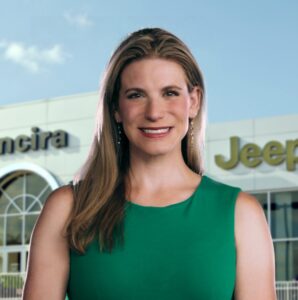
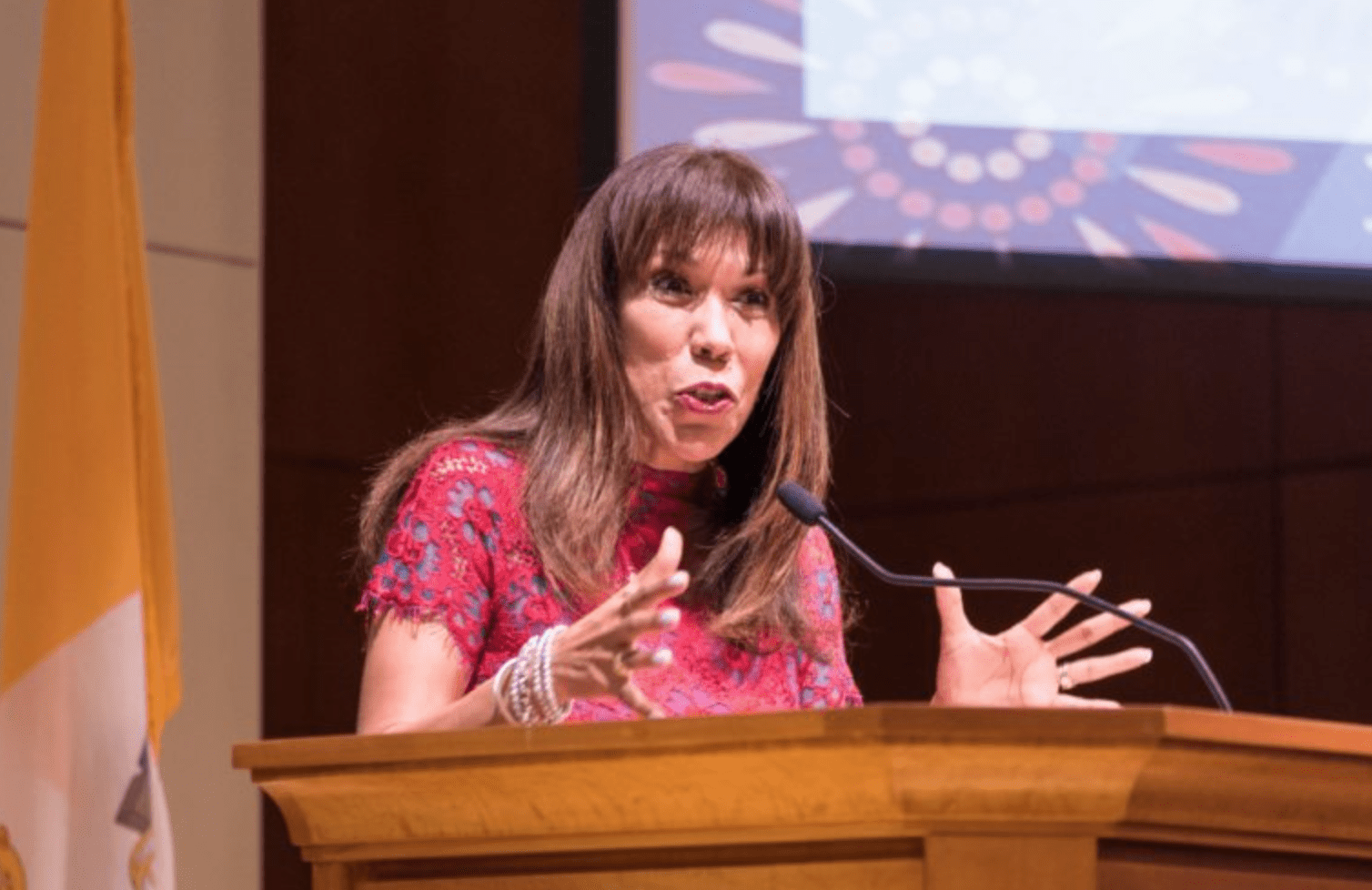
Life has changed for all of us. Especially if you’re trying to keep a business or a complex institution running during a public health crisis. Impact San Antonio member Dr. Cynthia Teniente-Matson, President of Texas A&M-San Antonio, has played a large role in helping her university adapt to protect students, faculty and staff during the pandemic.
What changes have you had to implement at TAMUSA due to COVID-19?
Going online was Herculean! We moved almost 1,100 core sections (classes) to virtual courses. But it is also the support services that go with that, from library to advising, tutoring centers, the support centers, counseling services, disability support — everything we do as an institution has been moved virtually. It is difficult not only for the institution, but students as well, who, as we all know, want to be connected.
What have been your key concerns in bringing classes online?
We have been very concerned about the digital divide. We supplied laptops and Mi-Fis (portable broadband devices) to students who did not have access to a computer or Wi-Fi at home to allow them to get their work done. We deployed about 250 Mi-Fis and 200 laptops.
We also have taken our food pantry to curbside, so our students in need can pick up food supplies two days a week. In housing, we have given our students the option of moving off campus and released them from their housing contracts. We provided refunds to students from their housing and dining accounts. We still have approximately 60 students living on campus, so we are maintaining operations to support what they need, which primarily in this case is food as they shelter in place in their rooms.
What might become permanent changes?
It depends on how long this goes. We have always wanted to address the digital divide issue, so this situation will help us gather better data for those students in need of technology and resources. We want to ensure that students who need technology have access to technology, and not just when they are on campus. So, this issue about devices, I am hopeful we will solve for the long run and find a way to fund these devices if they do not have one already. This is a very significant issue for our university located in South Bexar County.
What do you anticipate for enrollment in Fall ’20, Spring ’21?
It remains to be seen. But we are hearing that some students may take a gap year instead of potentially starting online. However, we are also hearing that students want to come back and be connected. We just don’t know when that will occur, so there is a lot of buzz out there about what the future holds for students and universities. Students may be rethinking whether they really want to be away from their family and home base. More may want to stay home. We made the decision early to go online-only for summer session and have already announced the change so students can make choices about their academic progress. It also gives faculty time to adjust their classes online.
Internships at businesses have been affected as some were for credit, so the students have had to rethink how to earn those credits.
Seniors have been greatly affected; their end-of-year activities cannot be replicated.
If you were to receive an endowment of $100 million tomorrow, what would you do with it?
First, I would look to the needs of our students either in the form of scholarships or other support. Second, I would look at faculty support for the most innovative technology and virtual instruction at least for the short term. Thirdly, I would look to see how we could assist displaced workers that happen to have an overlap with students. We have some students that are dependents of displaced workers if they live at home. We have some students who are married and raising a family while they go to school, so they may be a full-time student and a part-time worker. Or their spouses or partners have been laid off and there is a great strain there. I would want to make sure that within our university community we could support everyone with food and housing, and address food insecurity needs during this very difficult time. These are what I would do first, and if there were any funds left over, I would see how we could help our neighborhood and residents as a public university.