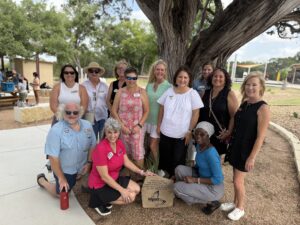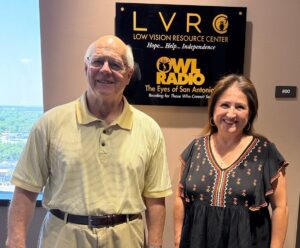
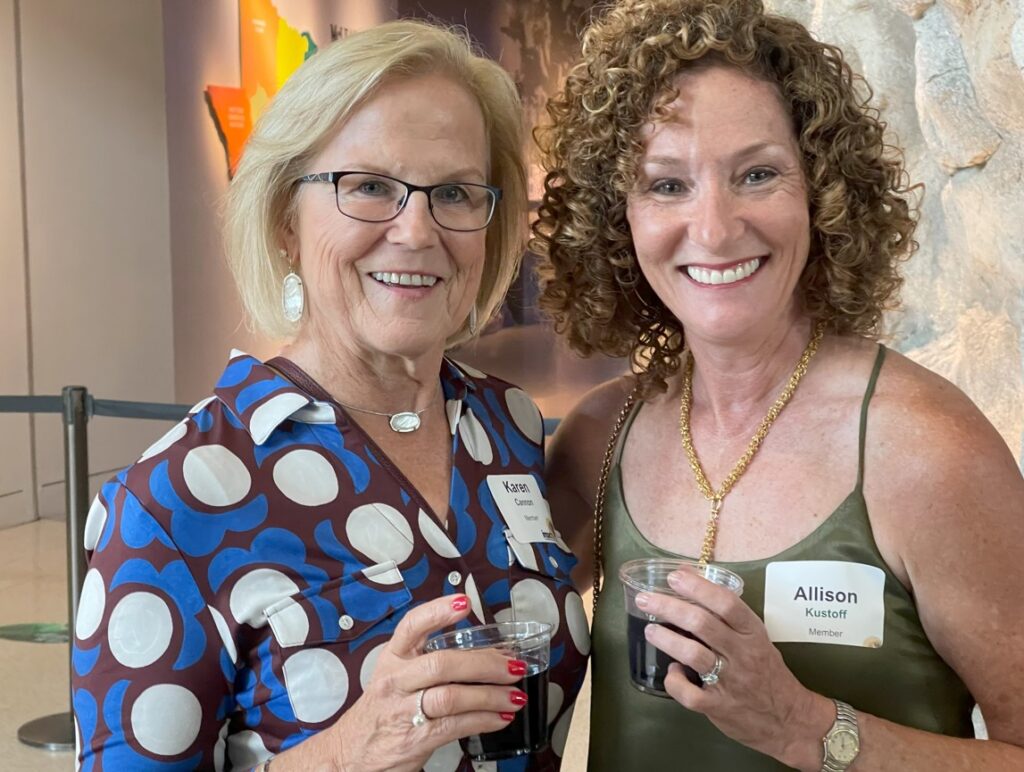
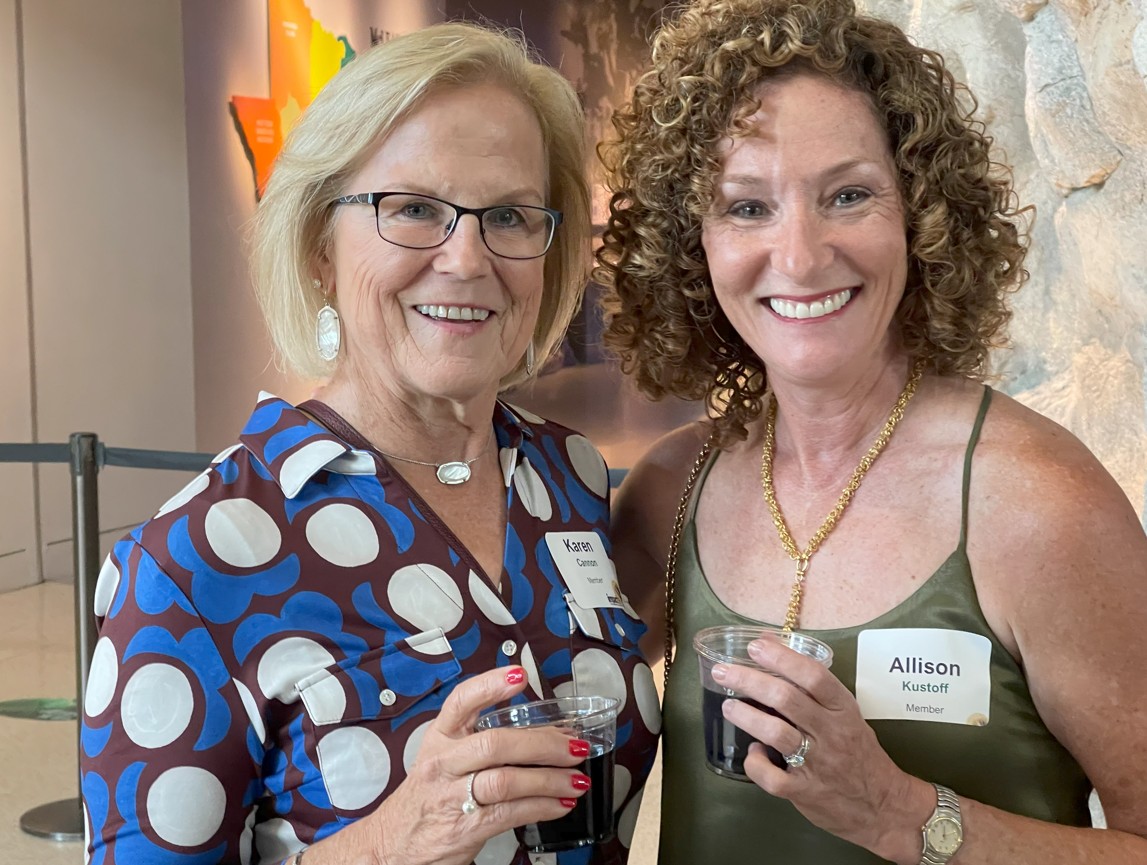
Karen Cannon and Alli Kustoff, co-chairs of Grant Review on the Impact San Antonio Board of Directors, recently met with Sharon Schweitzer, past president of Impact San Antonio, to discuss our Grant Review process. Learn more in this special Q&A session.
The Grant Review process is at the heart of what we do. Our trained Grant Review volunteers are currently working in teams assigned to one of five Impact San Antonio focus areas (Arts & Culture – Education – Environment, Recreation and Preservation (ERP) – Family – Health & Wellness) to evaluate which proposals will move forward. Each Focus Area team will collaborate to evaluate applications and identify finalists, while gaining a deeper understanding of the nonprofits in our area. Using a rigorous standardized process, the Grant Reviewers will select two finalists in their Focus Area to present project proposals to the entire Impact San Antonio voting members.
Sharon Schweitzer: Members who volunteer for Grant Review often say that it is one of the most rewarding parts of their experience with Impact San Antonio. What do you think contributes to this?
Allison Kustoff: I personally think it’s really an opportunity to get to know the nonprofit agencies that apply for our grants.
Karen Cannon: Our volunteer grant reviewers also get to know other Impact San Antonio members and learn a great deal about San Antonio and the work that nonprofits are doing in the city and its surrounding counties.
Sharon Schweitzer: Would you recommend volunteering for grant review to any member of Impact San Antonio? And if so, why?
Karen Cannon: I think it’s a chance for members to get to know more about where their donation goes and how it would be used. You really get granular as you review the proposed projects from these nonprofit agencies.
Sharon Schweitzer: How do you prepare our volunteer members to be effective grant reviewers?
Karen Cannon: All grant reviewers go through training that outlines the grant process. It includes a review of the grant timeline from initial application to Grant Award Night. During that period, we ensure that our grant reviewers are familiar with using Foundant, our online grant management system, to review agency proposals.
Allison Kustoff: We also train our grant reviewers to look for what we call our “High Impact Markers” and to consider these “markers” the measuring stick against which to evaluate project applications in the various focus areas. These markers include where a project addresses a critical need, improves the quality of life for people in our community, and provides significant benefits for either a large number of people or a major impact on a smaller number. Grant reviewers are also looking to ensure that the project results in compelling outcomes and has a clear and effective method of measuring outcomes.
Karen Cannon: Thoroughly evaluating project applications is a critical step in fulfilling our responsibility to be good stewards of our members’ financial contributions. It’s important that we have a good sense of each application’s overall readiness to implement a $100,000 grant.
Sharon Schweitzer: When evaluating grant proposals, is the size of the nonprofits a factor in becoming a finalist?
Allison Kustoff: We don’t rule anybody out. We provide a defined process, ensuring consistency across all project applications, regardless of agency size. We encourage grant reviewers to give every project a chance. Not to come in with any preconceived expectations about any agency.
Sharon Schweitzer: How are our numbers looking this year from applications to review? How does it compare to the previous year?
Allison Kustoff: We received 120 grant applications this year, which is significantly more than last year, when we had only 85. Our number of applicants has increased by 41%.
Karen Cannon: This month, grant reviewers read all the project applications for their focus area and then meet to discuss the Initial Review and determine which projects will move forward for further review. The next level of review is called “Deep Dive,” where reviewers complete a more extensive review of the proposals and determine which applications will move forward to a site visit.
Sharon Schweitzer: Ultimately, who makes the final decisions on which applicants receive a High Impact Grant of $100,000?
Allison Kustoff: After a thorough evaluation, each grant team votes to forward two finalists to the full membership of Impact San Antonio, which ultimately votes and determines which applications will receive the $100,000 grant. Finalists who do not receive a High Impact Grant will each receive a smaller Support Grant of at least $2,500. All grant recipients are announced and celebrated at Grant Award Night, scheduled for this year on October 21st at The DoSeum.
Sharon Schweitzer: How effective would you say Impact SA’s grant process is?
Karen Cannon: I’d say it’s very effective. The Deep Dive approach, which involves measuring a project against our high-impact markers and site visits, has made our grant-making process exceptional. Impact San Antonio has a well-established reputation for upholding professional standards of the highest caliber.
Allison Kustoff: We are especially grateful to our volunteer grant reviewers. The time, energy, and compassion they put into grant review are a hallmark of the integrity of Impact San Antonio’s grant-making process.